
- Brian Waldron

- Sep 12, 2025
- 4 min read
Updated: Sep 14, 2025

If you’re searching for guitar lessons, the options can feel endless.
From big chains to local community schools to flashy camps, it’s hard to know which path will actually move the needle for you.
Here’s the truth: the overwhelming majority of public-facing music education is built on the same broken model. Whether it’s a franchise like School of Rock or a friendly neighborhood music school, the incentives are the same: maximize enrollment, minimize costs, and keep customers paying as long as possible. Educational excellence takes a back seat.
But there is another way. And understanding the difference can save you years of wasted time, money, and frustration.
1. The Conglomerate
Examples: School of Rock, Guitar Center

Conglomerates are businesses first, schools second. Their mission is to sign up as many paying customers as possible and keep them on the books.
Teachers are hired to be “good enough” to look credible in an ad, but not so skilled that they command higher pay. Students aren’t challenged—only billed.
And here’s the uncomfortable reality: this is the predominant model in music education. Whether it’s a franchise or a small neighborhood school, the incentives are the same: maximize enrollment, suppress costs, and hope students stick around.
The problem is, these goals are fundamentally at odds with true educational excellence. A business chasing volume can’t also enforce high standards without scaring away the very customers it depends on. So the bar quietly lowers until “good enough” becomes the cultural norm.
The result? Adequate teaching, underpaid faculty, unmotivated students, and a system where mediocrity is baked in by design.
One caveat: At their best, programs like these can be great for casual hobbyists and kids who want to explore their musical side. Many dedicated educators in these schools are passionate about introducing beginners to the joy of music while keeping the experience light and fun. That’s a legitimate and important role—just as elementary school teachers are indispensable in laying the foundation for learning. But serious students seeking rigor don’t typically gravitate toward run-of-the-mill elementary schools, and neither do the instructors capable of providing that rigor. They find their place in a different ecosystem—specialized academies and higher education—where excellence is the explicit goal.
2. The Guitar Fantasy Camp
Examples: [Insert Rock Star] Guitar Experience, Pricey Online Group Intensives

On the surface, these look like the opposite of the conglomerate: glossy websites, big-name instructors, luxury settings, proprietary tech. But at their core, they’re built on the same foundation—commerce first, education second. The difference is simply the audience. Instead of catering to the masses, they market to a higher tax bracket. The problems remain the same: students are sold an experience, not a true path to growth.
The pitch:
“Jam with your guitar heroes.”
“Unlock a secret system to play better, faster.”
The reality:
Real jamming is a two-way street. Both players need enough fluency to keep the musical conversation moving. A novice player might be brilliant in other areas of life, but on guitar, they’re still learning their ABCs—while the pro across from them is reciting Shakespeare off the cuff. That doesn’t mean the interaction has no value. It does—it’s called a lesson. But a jam? That’s something else entirely.
There are no "secret systems" that erase the obstacles to improvement. Structure is crucially important, but growth in any discipline is still a messy, winding process. No formula can fully light and pave the road.
What actually drives progress is mentorship. A skilled teacher doesn’t just explain technique—they guide you through obstacles with encouragement, accountability, and emotional intelligence.
The best teachers foster trust and create a safe environment where students are willing to leave their comfort zone—because that’s where growth happens. Genuine mentorship can’t happen in a crowded auditorium or through gimmicky tech.
One caveat: For some players, these experiences can be deeply inspiring. Meeting an idol or hearing them share personal insights might spark motivation to practice harder or reignite a love for the instrument. There’s nothing wrong with that. But inspiration alone isn’t the same as transformation. Without consistent mentorship and structured guidance, the impact usually fades once the selfie glow wears off.
3. The Conservatory
Examples: Curtis Institute, Peabody, New England Conservatory
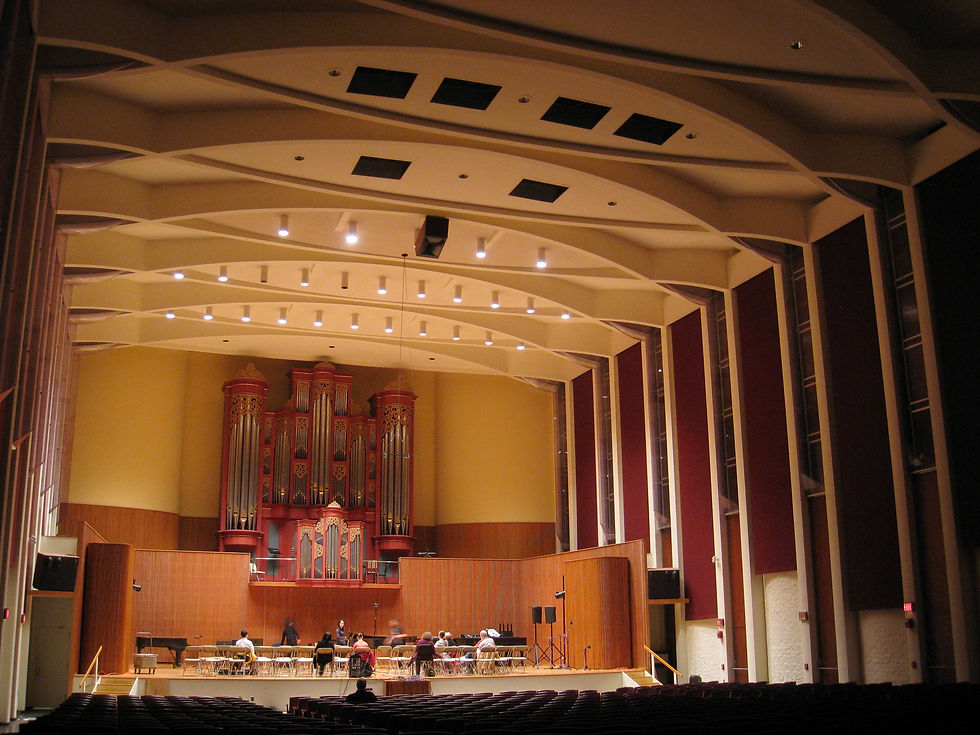
Here the priorities flip: education comes first, business second. Conservatories exist to produce serious musicians.
The key is selectivity. Students are admitted through auditions, teachers only work with those who are prepared to commit, and everyone holds each other to a higher standard. This creates a virtuous cycle:
Selective admissions → serious students → serious teachers → serious results → prestige → attracts more serious students.
One caveat: Conservatories are not for everyone. They are highly competitive, often prohibitively expensive, and typically geared toward students pursuing professional careers in music. For hobbyists, adult learners, or anyone not on the conservatory track, they can feel intimidating, inaccessible, or simply out of reach. That doesn’t diminish their value—it just means they serve a very specific purpose in the broader musical ecosystem.
Where Waldron Guitar Academy Fits

Waldron Guitar Academy takes the conservatory model and applies it to today’s serious guitar students. But here’s the difference:
We don’t screen for chops. We screen for mindset.
If you’re already a virtuoso, great—you’ll be challenged here. But if you’re a motivated beginner who’s ready to work, that’s just as exciting to us. What matters is not how fast your fingers move today, but whether you’re willing to show up consistently, embrace discomfort, and do the hard things growth requires.
Our teachers are world-class players with 10+ years of teaching experience, chosen not just for their skill but for their ability to mentor.
Our students are admitted through a short application and interview—not to stroke our egos, but to ensure the fit is right on both sides.
Our culture is built on effort, discipline, and accountability. You’ll be surrounded by teachers and peers who are as serious as you are.
We’re not chasing volume. We’re not promising gimmicky shortcuts. We’re building a selective community where high-level growth is the norm.
The Bottom Line
Conglomerates keep you paying.
Fantasy camps sell you a dream.
Conservatories (and WGA) build musicians.
Each has its place in the musical ecosystem. But serious students often find themselves underserved. That’s why Waldron Guitar Academy exists: to provide a different path—one built on world-class mentorship, accountability, and a culture where excellence is the goal.
If that’s what you’re seeking, apply today.